
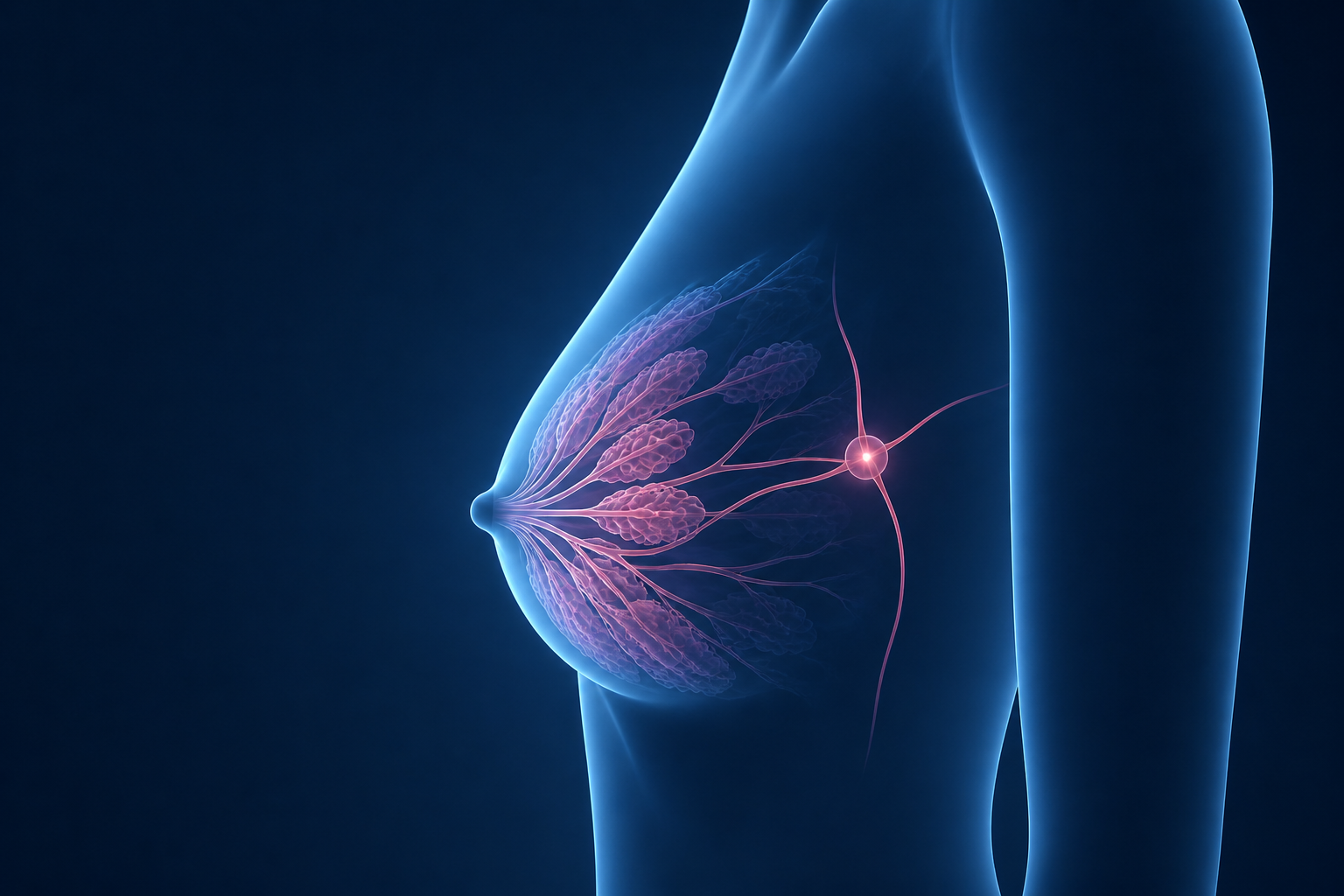
Dense breast tissue is a normal finding reported on mammograms. This section explains what breast density means, why it matters for cancer detection, and what additional screening may be recommended for women with dense breasts.
Articles in this section
What Is Dense Breast Tissue?
Dense breasts are common - about 40–50% of women have them. Learn what density means, how the four BI-RADS categories (A–D) are defined, and why your mammogram report now includes your density category by federal law.
Does It Increase Cancer Risk?
Yes - dense breast tissue is an independent risk factor for breast cancer. Women with extremely dense breasts (Category D) have approximately 4–6 times greater risk than women with fatty breasts. Learn why, and how it compares to other risk factors.
Does It Hide Cancer on a Mammogram?
Dense tissue and cancer both appear white on a mammogram - the white-on-white problem. Mammograms can miss up to 40–50% of cancers in extremely dense breasts. Learn what this means for your screening and what imaging can see through dense tissue.
Do I Need Additional Screening?
For Category D (extremely dense), supplemental imaging is now actively recommended by the NCCN and ACR. For Category C, it depends on your other risk factors. Compare ultrasound, breast MRI, and contrast-enhanced mammography side by side.
Part of the UnderstandMyScan Education Platform
This is one example of the physician-developed patient education available through an UnderstandMyScan breast center partnership.
Explore More Sample Education Explore a Partnership