
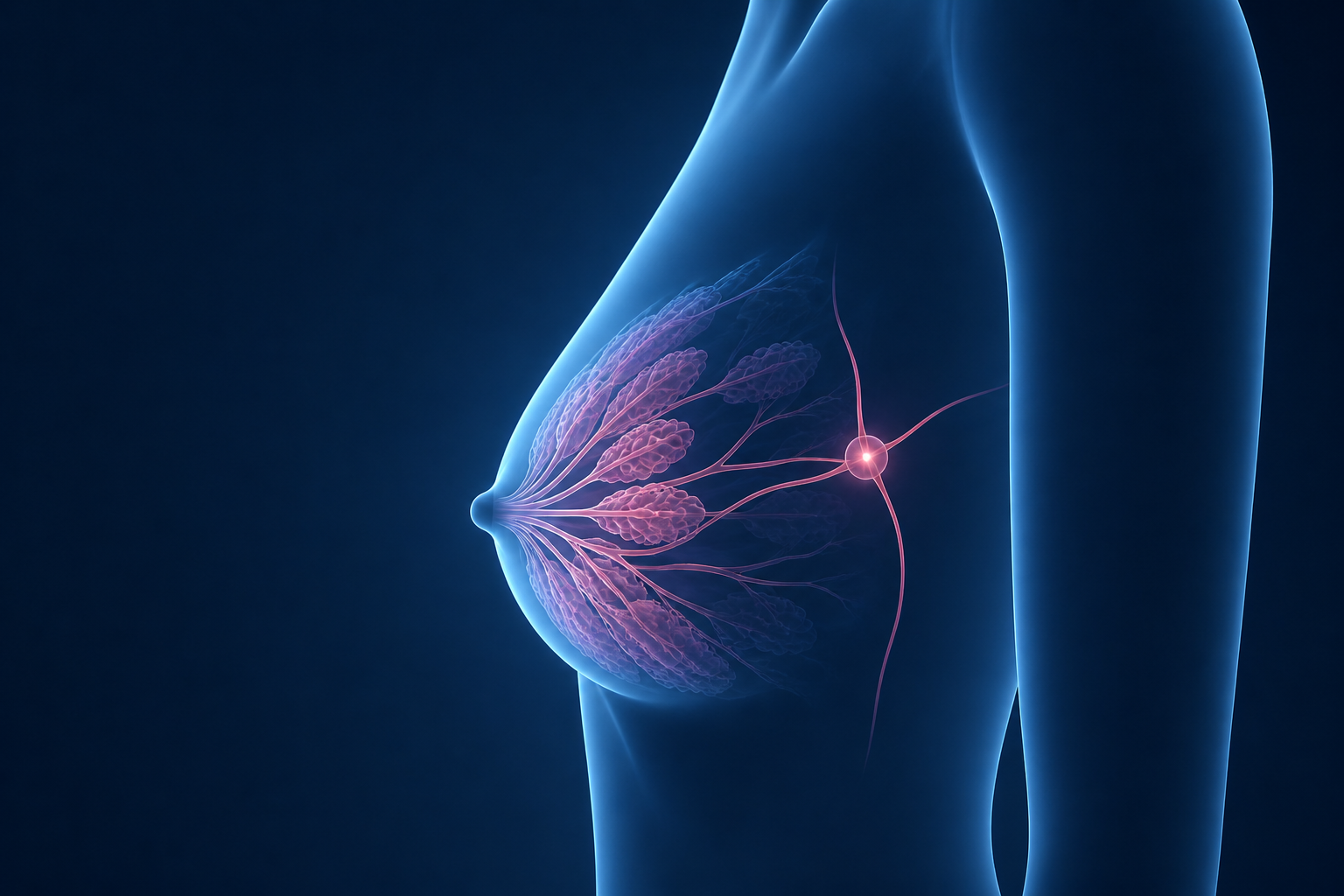
What It Is
A screening mammogram is a routine, preventive imaging test that looks for early changes in breast tissue that could indicate cancer. It is different from a diagnostic mammogram, which is ordered when you already have a symptom or a suspicious finding. Screening mammograms are for women with no current breast complaints.
A radiologist - a doctor specially trained in reading medical images - reviews the images and sends a report to your doctor. Mammography is currently the gold standard for breast cancer screening in average-risk women. Mammograms can detect masses, architectural distortions, and clusters of tiny calcium deposits (calcifications) that can be some of the earliest signs of breast cancer - long before they cause symptoms.
Before the Appointment: How to Prepare
Skip the deodorant. No deodorant, antiperspirant, perfume, powder, or lotion on the chest or underarm area on the day of the exam. These products can appear as white spots on the X-ray image.
Wear a two-piece outfit. You will undress from the waist up. A top that's easy to remove is more comfortable than a dress.
Time it carefully. If your breasts tend to be tender, avoid scheduling during or just before your period if possible.
Bring prior images. If you're going to a new facility, bring any prior mammogram images. Having prior images for comparison is extremely valuable to the radiologist.
Tell the technologist. Let them know about any breast implants, prior breast surgeries, or current symptoms.
During the Exam: Step by Step
You will stand in front of the mammography machine and undress from the waist up.
A mammography technologist will position your breast on a flat support plate attached to the machine.
A second plate (called a paddle) will gently but firmly compress your breast. This compression spreads the tissue apart, reduces X-ray dose, and keeps the breast still for a clear image.
The machine takes an X-ray. You will be asked to hold very still and briefly hold your breath.
The machine is repositioned and a second X-ray is taken from a different angle (side view).
The same process is repeated for the other breast.
Total time: The compression itself takes only a few seconds per image. The full appointment typically takes about 15–30 minutes. Compression causes pressure and discomfort for most women, but it is short-lived.
Understanding Your Results: BI-RADS
BI-RADS (Breast Imaging Reporting and Data System) is the standardized scoring system radiologists use to categorize mammogram findings. Most women receive a normal result and are simply asked to return for their next routine screening.
| BI-RADS | Meaning | Next Step |
|---|---|---|
| 0 | Incomplete - more imaging needed | Additional views or ultrasound ordered |
| 1 | Negative - nothing found | Routine annual screening |
| 2 | Benign finding | Routine annual screening |
| 3 | Probably benign | 6-month follow-up imaging |
| 4 | Suspicious | Biopsy recommended |
| 5 | Highly suggestive of malignancy | Biopsy recommended |
| 6 | Known malignancy (biopsy-proven) | Treatment planning |
The Callback: What If You're Called Back?
Being called back can feel alarming, but it is important to know that callbacks are most common after a first mammogram, since the radiologist has no prior images to compare. Common reasons for a callback:
- A finding needs to be seen from a different angle
- The breast tissue was dense and an area is difficult to assess
- A cyst or benign mass needs confirmation with ultrasound
- An image was technically suboptimal and needs to be repeated
What Happens Next
Frequently Asked Questions
Is the radiation from a mammogram safe?
Yes. Mammography uses very low-dose X-rays - far below levels that carry any meaningful health risk. The radiation dose from a standard mammogram is roughly equivalent to the background radiation you would receive from the environment over a few months of normal daily living. The small potential risk from radiation is vastly outweighed by the benefit of detecting breast cancer early.
My mammogram report mentions "dense breasts." What does that mean?
Breast density describes the proportion of fibrous and glandular tissue (white on a mammogram) compared to fatty tissue (dark on a mammogram). About 40–50% of women have dense breasts. Dense tissue is important for two reasons: it can make it harder for the radiologist to see a cancer (because cancer also appears white), and it is an independent risk factor for developing breast cancer. If you have dense breasts, your doctor may discuss whether supplemental screening - such as ultrasound or MRI - makes sense for you.
Do I need a doctor's referral to get a screening mammogram?
In most states in the U.S., you can self-refer for a screening mammogram without a doctor's order. Many imaging centers accept direct scheduling. However, a referral from your primary care doctor or OB/GYN can be helpful for ensuring your results are communicated properly and integrated into your medical record. Check with your insurance provider, as coverage requirements vary.
Related Topics
Have a breast imaging report? A board-certified radiologist with extensive experience in breast imaging reviews every explanation before it reaches you.
Get My Report Explained