
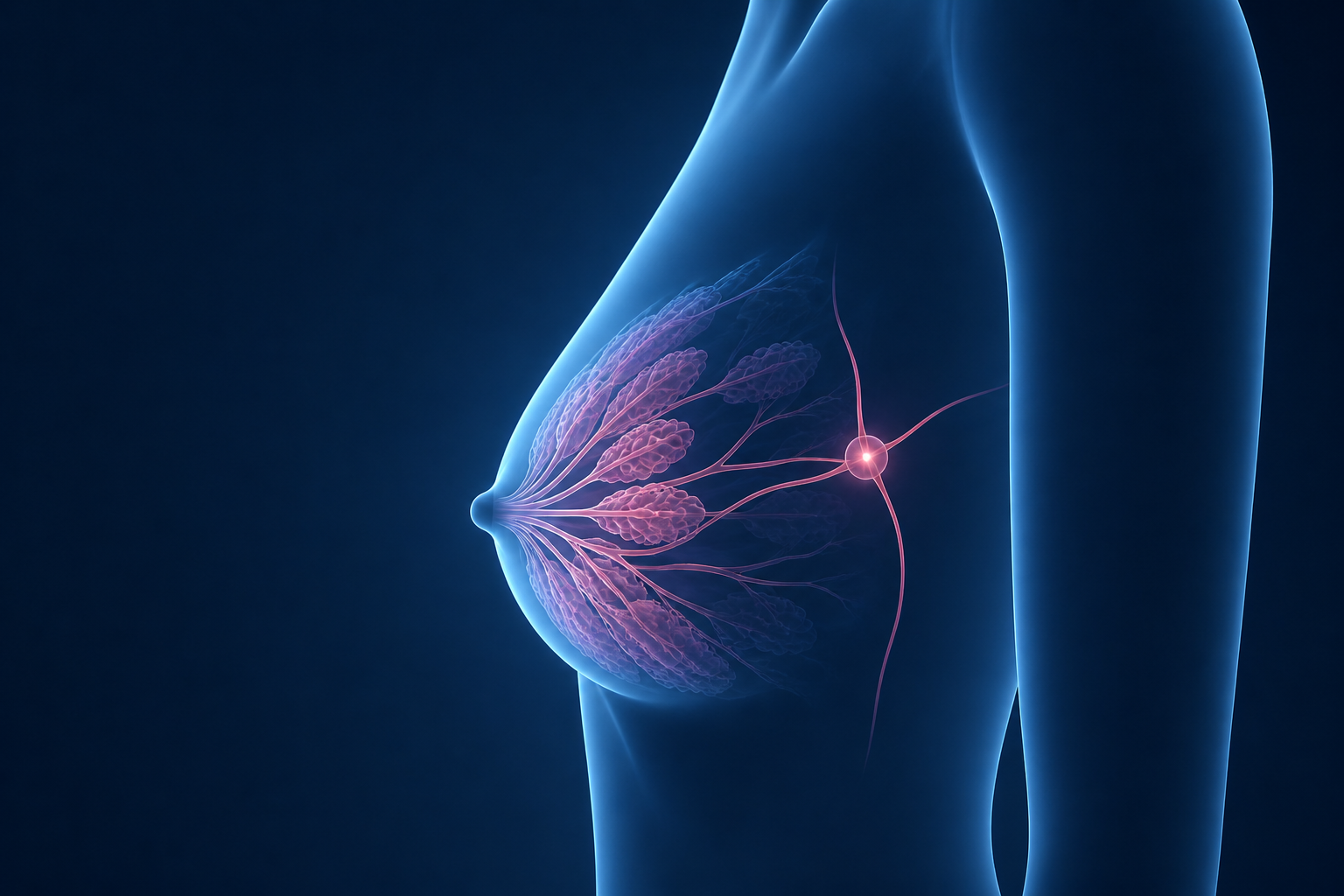
Why the Starting Age Matters
Early detection matters enormously. If breast cancer is found at Stage 0 or Stage 1, the chance of cure is greater than 95%. Mammograms can detect breast cancer up to 3 years before it can be felt by hand.
Research shows that one in six new breast cancers develops in women between the ages of 40 and 50 - which is a key reason why leading radiology and oncology organizations recommend beginning screening at age 40, not 50.
Current Screening Guidelines by Organization
| Organization | Recommended Start Age | Notes |
|---|---|---|
| American College of Radiology (ACR) | Age 40 | Annual mammogram; no upper age limit |
| Society of Breast Imaging (SBI) | Age 40 | Annual mammogram |
| U.S. Preventive Services Task Force (USPSTF) | Age 40 | Every 2 years (updated 2024) |
| American Cancer Society (ACS) | Age 45 (option at 40) | Annual 45–54; option to go biennial at 55 |
| ACOG | Age 40 | Every 1–2 years (updated 2024) |
| National Comprehensive Cancer Network (NCCN) | Age 40 | Annual mammogram |
The overwhelming trend across major organizations is a starting age of 40 for average-risk women. Ask your doctor what schedule is right for you.
Average Risk vs. Higher Risk
Average Risk - You:
- Have no personal history of breast cancer
- Have no known genetic mutation (BRCA1/2)
- Have no significant family history of breast or ovarian cancer
- Did not receive chest radiation between ages 10 and 30
Higher Risk - You may:
- Have a BRCA1 or BRCA2 gene mutation
- Have a lifetime risk greater than 20%
- Have strong family history of breast cancer before age 50
- Have received chest radiation as a child or young adult
- Have Li-Fraumeni, Cowden, or Bannayan-Riley-Ruvalcaba syndrome
High-Risk Screening: Starting Earlier
If you fall into a high-risk category, guidelines recommend:
- Annual breast MRI starting between ages 25 and 30
- Annual mammogram starting at age 30 (or earlier depending on specific risk)
- In some cases, alternating MRI and mammogram every 6 months
- Clinical breast exams every 6–12 months starting at age 25
- Risk assessment by age 25 - especially recommended for Black women and Ashkenazi Jewish women
When Should You Talk to Your Doctor?
How Doctors Evaluate Your Risk
Any prior breast biopsies, diagnoses, or breast surgeries
Cancer diagnoses in first- and second-degree relatives, their ages at diagnosis, and the type of cancer
Tools such as the Tyrer-Cuzick, IBIS, or Gail model estimate your lifetime risk using your history and other factors
If your family history suggests a possible BRCA mutation, genetic counseling and testing may be recommended
Determined on your first mammogram; dense breasts are an independent risk factor and affect what screening is recommended
Frequently Asked Questions
The guidelines keep changing. Is 40 really the right age to start?
Yes - the direction of change has been toward starting earlier, not later. Multiple organizations updated their guidelines between 2023 and 2024 to align on age 40 as the starting age for average-risk women. The updated recommendations reflect new data showing that one in six breast cancers occurs in women in their 40s, and that early detection at this age leads to better outcomes.
My mother had breast cancer. Does that mean I need to start earlier?
Possibly. A first-degree relative (mother, sister, or daughter) with breast cancer - especially if she was diagnosed before age 50 - is a significant risk factor. Some guidelines recommend starting screening 10 years earlier than the relative's age at diagnosis, but no earlier than age 30. Your doctor may recommend a formal risk assessment and, if your risk is high enough, supplemental MRI in addition to mammography.
Is there an age to stop getting mammograms?
No universal "stop" age exists, though most guidelines address women up to age 74. Leading radiology organizations recommend continuing mammograms as long as a woman is in good health and has a life expectancy of at least 5 to 10 more years. Screening should be an ongoing conversation with your doctor as you age.
Related Topics
Have a breast imaging report? A board-certified radiologist with extensive experience in breast imaging reviews every explanation before it reaches you.
Get My Report Explained