
Quick Answer
- An armpit lump is most often the result of enlarged lymph nodes - your immune system's normal response to fighting an infection.
- Most armpit lumps are benign and resolve on their own within 1–3 weeks.
- A lump that is hard, doesn't move, is growing, or persists beyond a few weeks should always be evaluated by a doctor.
- Lymph nodes in the armpit are sometimes the first sign that breast cancer has spread.
What Is an Armpit Lump?
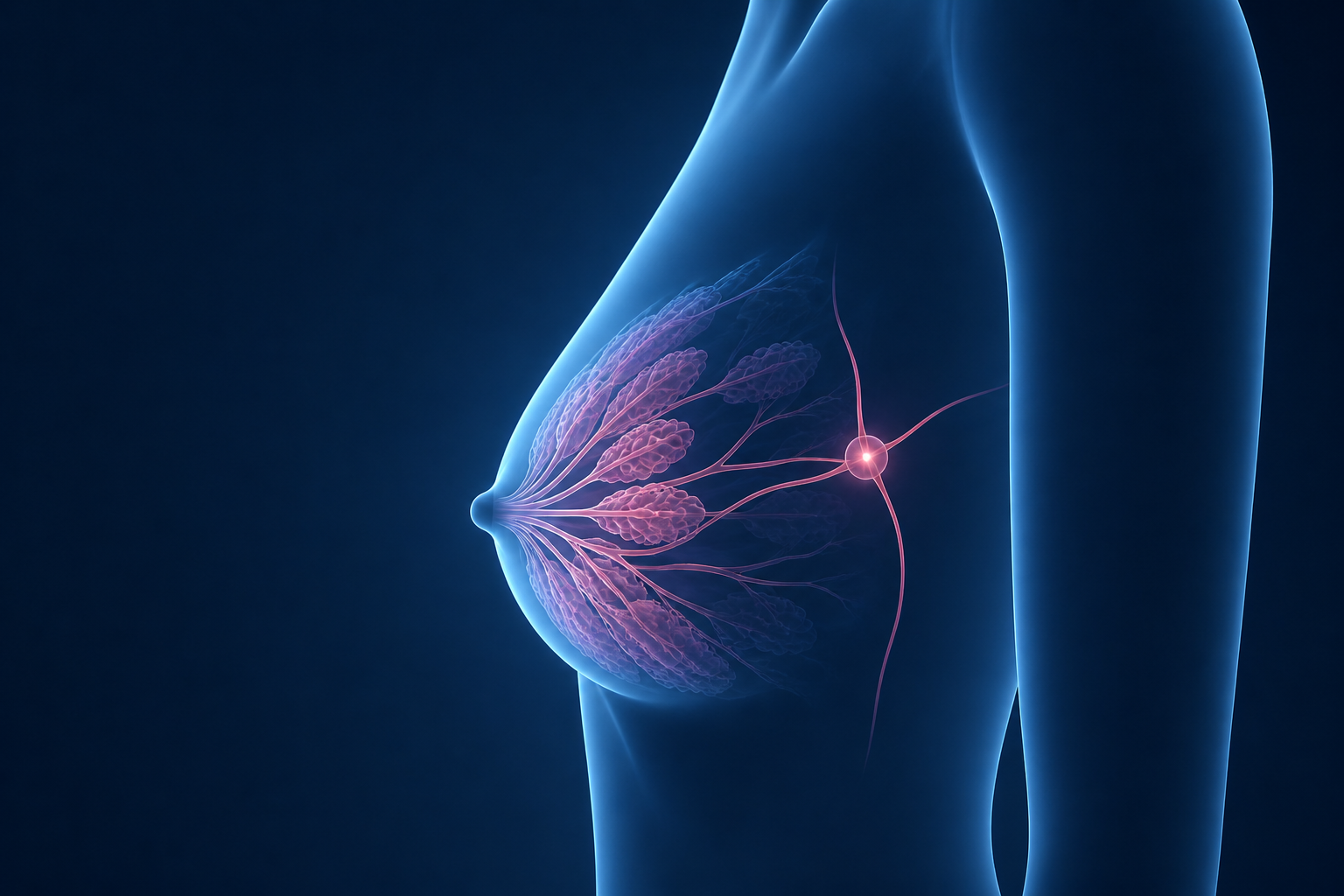
The armpit (axilla) contains a cluster of lymph nodes - small, bean-shaped glands that filter lymphatic fluid and play a key role in the immune response. Under normal circumstances, they are not felt. When they swell, they become noticeable as a lump or bumps under the arm.
Lymph node swelling in the armpit is medically called axillary lymphadenopathy. There are typically 20–40 lymph nodes in each armpit. They can swell for many reasons, from a minor infection to serious illness.
Armpit lumps may also originate from structures other than lymph nodes, including skin, sweat glands, hair follicles, and, in some cases, breast tissue that extends into the armpit.
Common Causes
Infections (most common overall):
- Localized infections - a cut, scratch, insect bite, ingrown hair, or skin infection on the hand, arm, or breast can cause nearby lymph nodes to swell; usually resolves when the infection clears
- Viral infections - cold, flu, COVID-19, or mononucleosis can cause lymph node swelling
- Bacterial infections - cellulitis, infected hair follicles, or mastitis
Skin and sweat gland causes:
- Hidradenitis suppurativa - a chronic skin condition causing recurring abscesses and lumps in areas with sweat glands
- Sebaceous cysts - blocked skin glands forming round, moveable, non-tender lumps
- Lipoma - a benign fatty lump that grows slowly, feels soft, and moves freely under the skin
- Ingrown hair / folliculitis - infection of hair follicles from shaving
Vaccination-related:
- Vaccines - especially COVID-19 vaccines - can cause temporary lymph node swelling on the side of the injection; this is a normal immune response that typically resolves within 4–6 weeks. Always mention recent vaccinations to your radiologist before breast imaging.
Breast-related causes:
- Accessory breast tissue - some women have breast tissue that extends into the armpit and swells during hormonal changes
- Breast cancer with axillary involvement - when breast cancer spreads, the axillary lymph nodes are typically the first place it goes; a hard, firm, non-moveable lump in the armpit can be a sign that cancer cells have reached the lymph nodes, and this can sometimes be the first noticeable sign of breast cancer
- Inflammatory breast cancer - can cause swollen lymph nodes under the arm or above the collarbone
Other systemic causes:
- Lymphoma - cancer of the lymphatic system can cause painless, enlarged lymph nodes in the armpit, neck, and groin, often with night sweats, unexplained weight loss, and fatigue
- Autoimmune diseases - lupus and similar conditions can cause lymph node swelling
When Should You Get It Checked?
See a doctor if you have an armpit lump that:
- Has been present for more than 2–3 weeks
- Is growing larger over time
- Feels hard, firm, or fixed (doesn't move when you press it)
- Is painless - painless lumps can sometimes be more concerning than painful ones
- Is accompanied by unexplained weight loss, fever, or night sweats
- Is accompanied by breast changes - a new breast lump, nipple changes, skin changes, or discharge
- Appears alongside swollen lymph nodes in other areas (neck, groin, collarbone)
- Is accompanied by redness, streaking, or pus (signs of serious infection)
- You are postmenopausal
Get seen promptly if: The lump is accompanied by severe pain, spreading redness, fever, red streaking on the skin, or you have known or suspected breast cancer.
How Doctors Evaluate It
- History and physical exam - how long it's been present, whether it's changing, recent infections, vaccinations, or illness, size, texture, mobility, tenderness, and surrounding area including the breast
- Breast examination - because axillary lymph nodes drain the breast, any armpit lump in a woman should prompt a breast examination
- Blood tests - a complete blood count (CBC) may check for signs of infection, anemia, or abnormal blood cell counts
- Breast ultrasound - usually the first imaging tool; can distinguish between a fluid-filled cyst, a solid mass, and a swollen lymph node; can also assess the internal architecture of a lymph node for suspicious features
- Mammogram - used when a breast cause is suspected, typically in women over 30. It includes part of the underarm (axilla), though only a portion is seen on standard views.
- CT or PET scan - used if lymphoma or widespread cancer is suspected, to assess lymph nodes throughout the body
- Ultrasound-guided biopsy - if a lymph node looks suspicious on imaging, a needle biopsy provides the definitive diagnosis
What Happens Next?
Common Questions About Armpit Lumps
These are the most common questions patients have about armpit lumps and swollen lymph nodes.
1. I had a COVID vaccine last month and now have a lump in my armpit. Is this cancer?
Almost certainly not. This is a well-recognized, expected immune response to COVID-19 vaccines (and some other vaccines). The lymph nodes on the same side as the injection become temporarily enlarged as your immune system responds. This is a sign the vaccine is working and typically resolves within 4–6 weeks. Always tell your radiologist if you've had a recent vaccination before a mammogram or breast MRI, so the finding isn't mistaken for something serious.
2. Could an armpit lump be the first sign of breast cancer?
Yes, it can be. When breast cancer spreads, the axillary lymph nodes are typically the first place it goes, and swollen lymph nodes in the armpit are sometimes the first noticeable sign of breast cancer - even before a lump in the breast can be felt. This is why any persistent, hard, or growing armpit lump in a woman warrants a breast examination and imaging alongside the lymph node evaluation.
3. My armpit lump is painful - does that mean it's less likely to be serious?
Not necessarily. Painful lymph node swelling is common with infections, and most infections are benign. However, some cancers - including certain lymphomas and inflammatory breast cancer - can also cause painful lymph nodes. The features that matter most are: how long the lump has been there, whether it is growing, whether it is hard and fixed, and whether you have other worrying symptoms. Do not assume a lump is benign simply because it hurts.
Related Breast Topics
Have a breast imaging report? A board-certified radiologist with extensive experience in breast imaging reviews every explanation before it reaches you.
Get My Report ExplainedThis service provides educational explanations of radiology reports and does not constitute medical advice, diagnosis, or treatment. Medical decisions should always be made in consultation with your physician.